Scientific Python interop
Mesh data that acts like NumPy data.
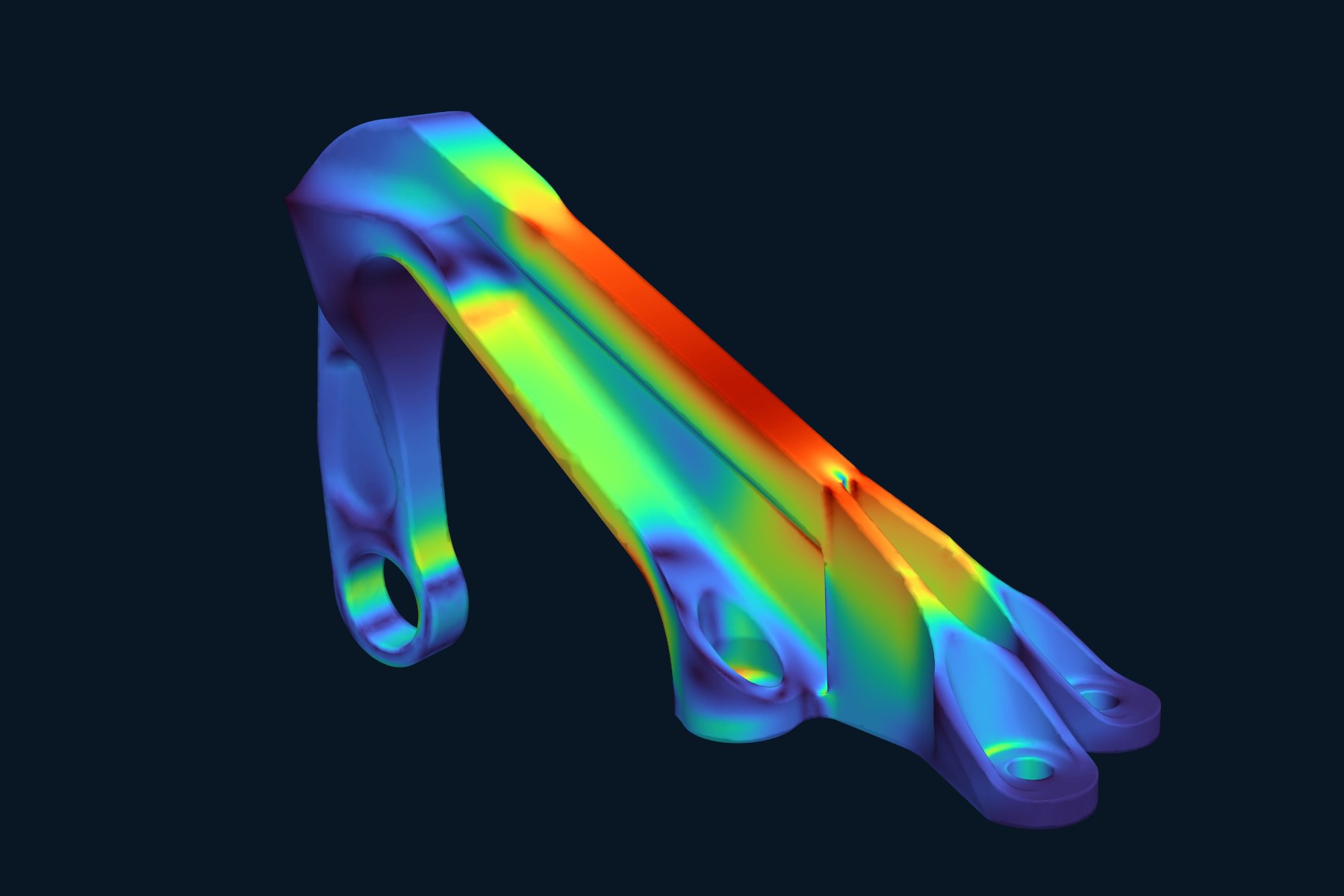
PyVista's dataset classes expose points, cells, and attached fields as NumPy arrays, often sharing memory with the underlying object. Hand them to pandas, xarray, scikit-image, or SciPy and keep the same objects through analysis, transformation, and plotting.
More than plotting
Write research code, not graphics code.
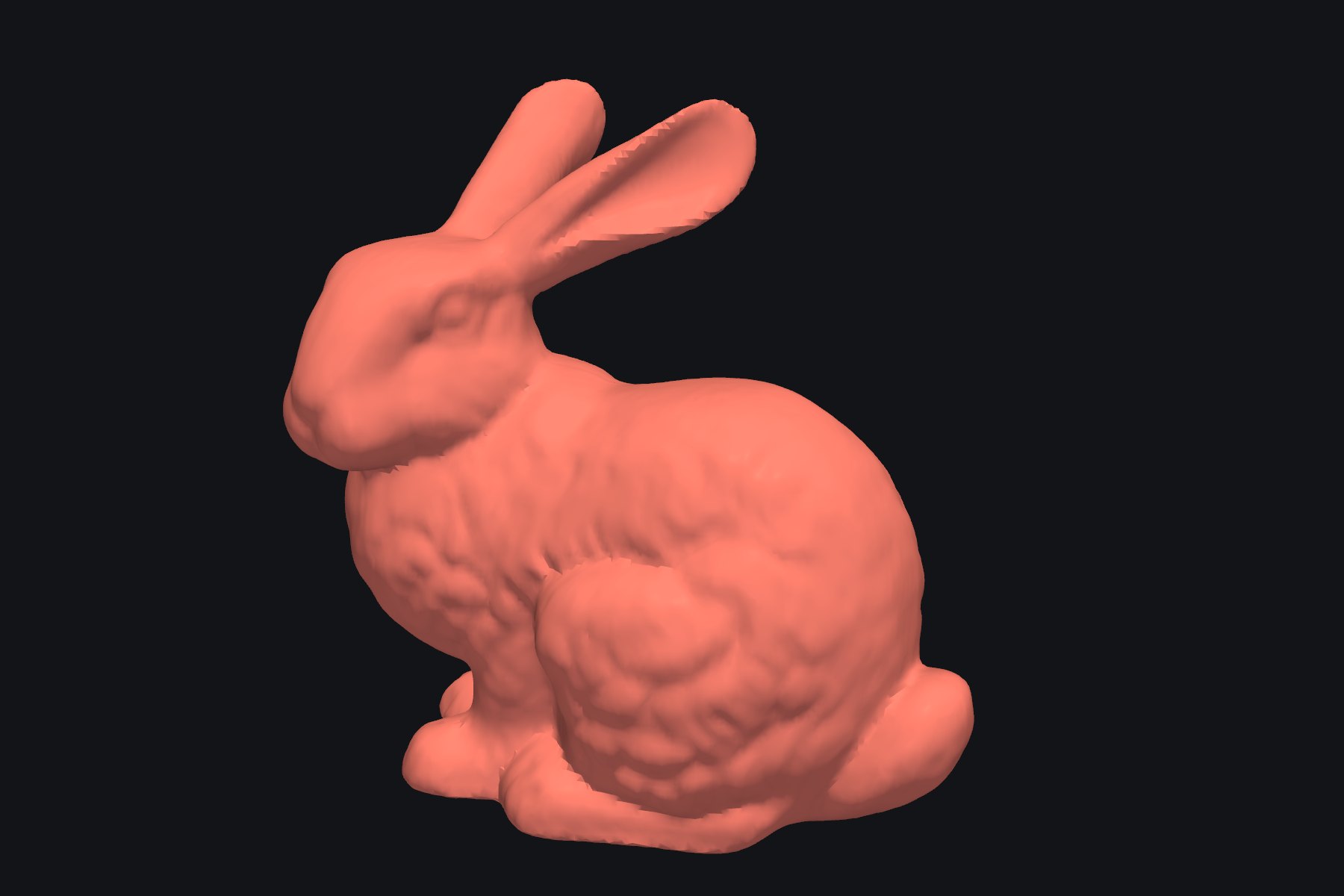
Threshold, slice, warp, contour, clip, decimate, interpolate, and run boolean operations with one-line methods on the dataset. Chain them together, inspect intermediate results, and drop the output back into NumPy or pandas when you are done.
From notebooks to applications
One library, the whole journey.
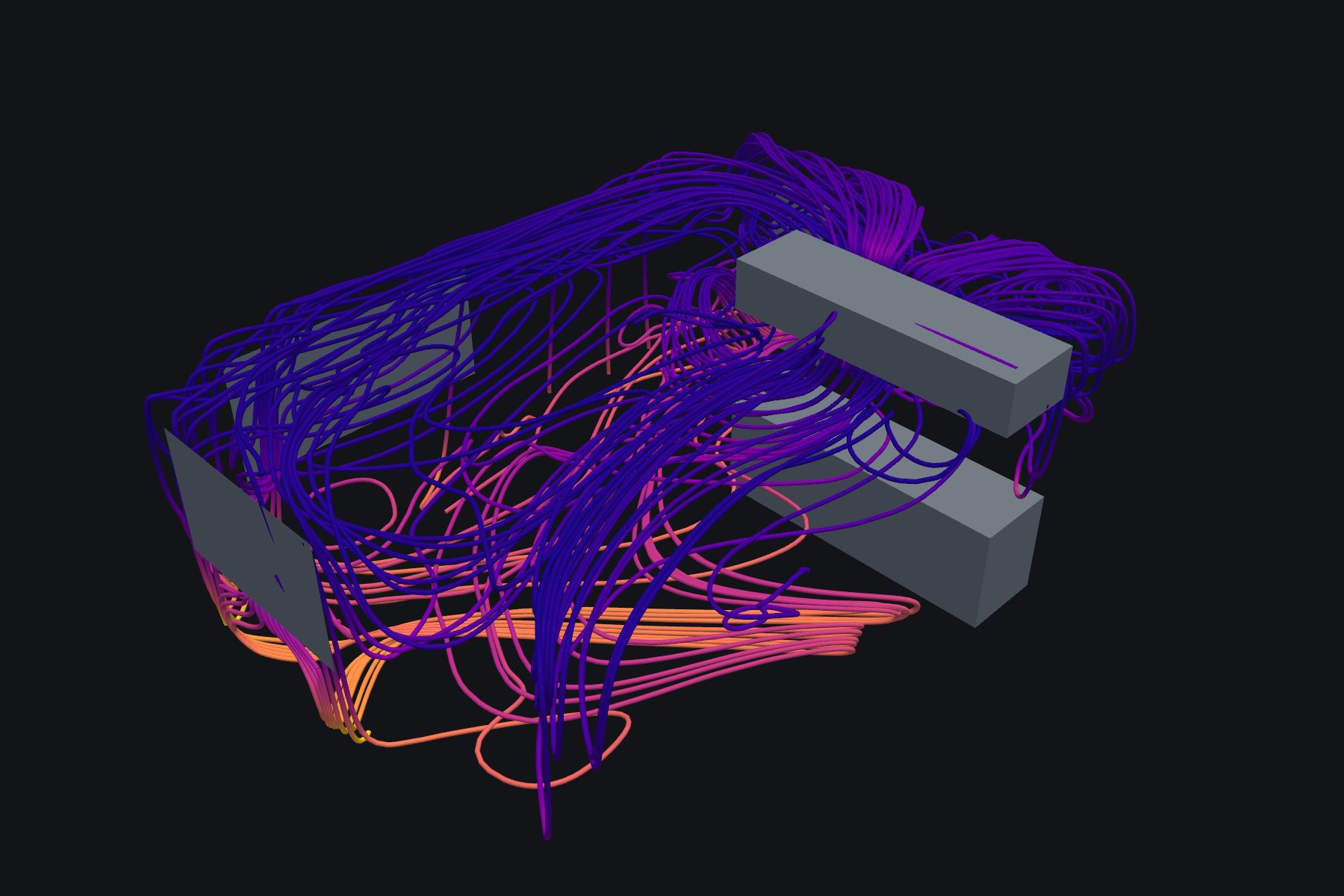
The same code runs in Jupyter for exploration, on the server behind a web application, inside a PyQt desktop tool, and in CI as an image regression test. No rewrites when the use case grows.
Built for production
Stable APIs, tested rendering.
PyVista is image-regression tested on every commit across the supported matrix of Python and VTK releases. Public APIs follow a deliberate deprecation lifecycle, and rendering behavior is locked under visual regression baselines. Code written today still produces the same picture two years from now.